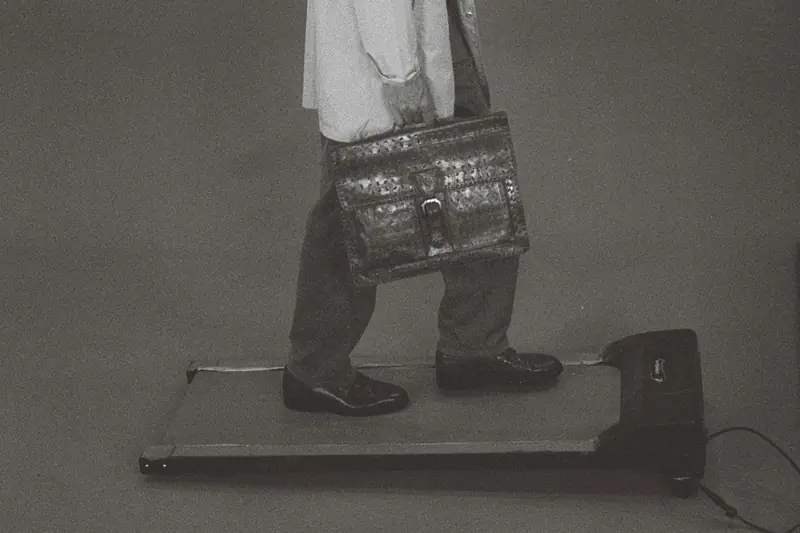
Best Walking Pads (Under-Desk Treadmills)
A walking pad is a slim treadmill built for walking, small enough to slide under a desk or a bed. The decisions that matter are the speed range, whether you want incline, how long the belt is for your stride, and whether you need a handrail. This page is for people who want to add walking to their day without giving up a room.
Jump to section
What we look for
Walking speed range
a pad built for walking should cover a comfortable pace and a brisk one.
Incline option
incline adds effort without a faster pace.
Belt length for tall users
a short belt forces a short stride, which is harder to keep up all day.
Handrail option
handrails help with balance, and removing them helps with storage.
Noise
a quiet pad suits a shared room, a call or a night shift.
Weight and portability
you will move it, so weight and height decide how easy that is.
- Sources: manufacturer product pages and manuals, warranty terms, the CDC for how much walking counts toward weekly activity, and Queensland Government for treadmill safety advice.
How to choose the right walking pad
Walking pads are simple, but they are still motorized belts. Read the treadmill safety guide before you set one up, and see treadmill vs walking pad to check you are choosing the right type.
Walking speed range
Check the maximum speed in the table. Walking pads are made for walking, so compare the maximum speed column with the pace you want. If you want to jog now and then, look for a model whose listing says it is meant for that. Our guide on how much exercise you need per week explains what brisk means in practice. The CDC counts brisk walking as moderate activity, and 150 minutes a week meets the adult guideline (CDC), so a pad that reaches a brisk pace covers the main use.
Incline option
Look at whether the pad has incline and how it is adjusted. Some pads have no incline. Incline raises the effort of a walk and varies it, but adds to the cost and the height. If you plan to use the pad under a desk, check that the incline does not push you into the desk. Check the incline column for whether the incline is a number or a yes-or-no entry, since listings differ.
Belt length for tall users
Compare belt size against your height and stride. Taller walkers need a longer belt to avoid stepping off the back or shortening their stride. Remember that a bigger belt makes the pad longer to store.
Handrail option
Check whether the pad includes a handrail and whether it folds. Some walking pads have none and rely on a remote or app. A handrail helps people who want extra stability, and a folding or removable one helps when you slide it under furniture. Check the handrail column as well as the weight and height columns, because they decide whether the pad can slide under furniture.
Noise
Noise ratings in listings are maker claims. Compare what each listing says. Carpet, thin floors and an apartment below you matter as much as the machine. A mat under the pad can help, which we cover in our flooring guide.
Weight and portability
Check the weight and height in the table. A pad you can lift and slide is easier to store than one you have to drag. Also check its height if you want to put it under a standing desk.
Tips for using your walking pad
- Remove the key, unplug the pad after use and keep young children away, as the safety guide explains.
- Use the talk test from the exercise guidelines to judge your pace.
- Look at a folding treadmill if you want to run as well.
- Measure the clearance under any desk or bed where you plan to store the pad, and compare it with the height in the table.
FAQ
Should I buy a walking pad or a treadmill?
It depends on whether you walk or run and how much space you have. Our treadmill vs walking pad comparison goes through it.
Does walking count as exercise?
Yes. Brisk walking is moderate activity, and the CDC says 150 minutes a week, about 30 minutes on 5 days, meets the adult guideline (CDC). Check with your doctor before starting a new exercise program.
How brisk is brisk?
Try the talk test from the CDC: at moderate intensity you can talk but not sing (CDC).
Is there anything I should do for safety?
After each session, take out the key and unplug the pad, and keep young children away (Queensland Government).
Related
-
Buying guide
Best Treadmills for Home
Motor, running area, incline, clearance and subscriptions, side by side.
-
Buying guide
Best Folding Treadmills for Small Spaces
Folded size, running area, motor and incline for small spaces.
-
Comparison
Treadmill vs Walking Pad: Which Should You Buy?
Running speed, incline, space and safety: a treadmill and a walking pad.
-
Guide
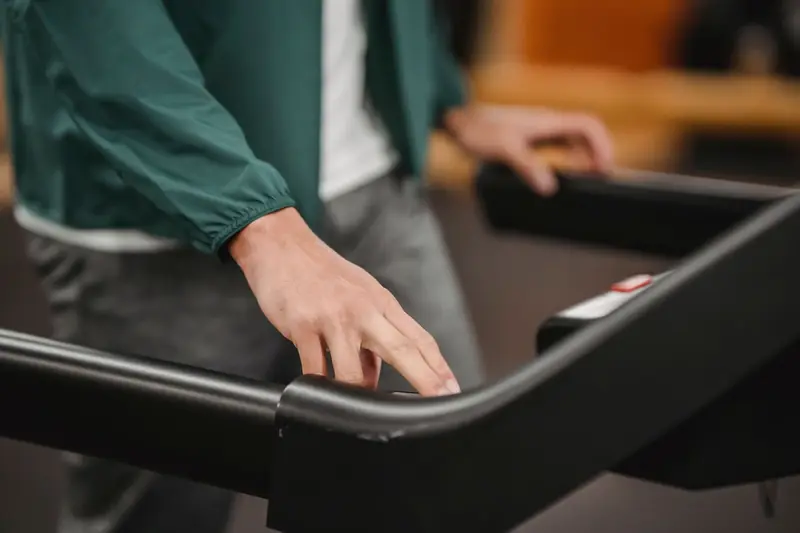
Treadmill Safety at Home: Kids, Keys and Clearance
Clearance, safety key, children and pets, unplugging and power, from CPSC and manuals.
-
Guide
How Much Exercise Do You Need Per Week? The Official Numbers
The official weekly numbers for adults and kids, with sample home-gym weeks.
-
Buying guide
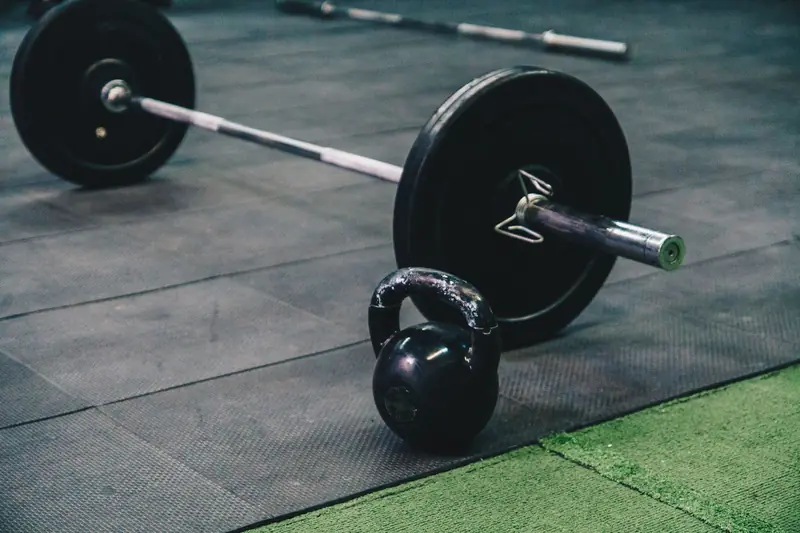
Best Home Gym Flooring
Rubber tiles, rolls, stall mats and foam, for concrete, carpet and garages.

Get the Home Gym Starter Checklist
A printable 8-point checklist built on CDC and ACSM guidance and treadmill manuals. Free, and sized to pin up next to your equipment.